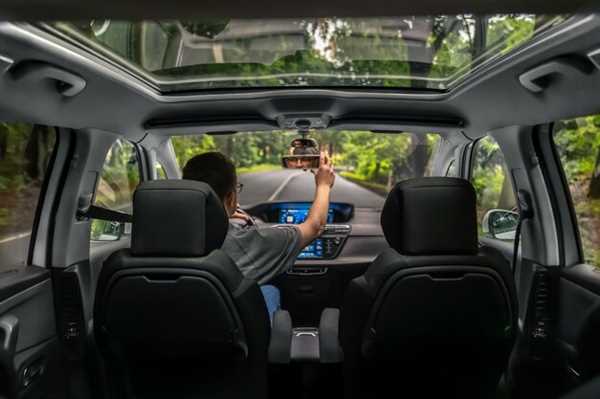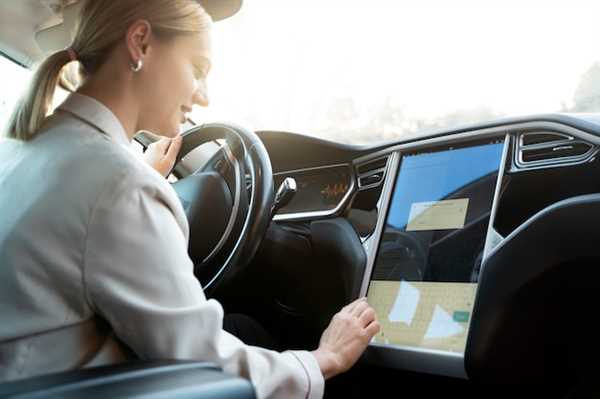
Integrating simplicity into vehicle interfaces has emerged as a prominent trend. By prioritizing user experience, automotive manufacturers are enhancing functionality while showcasing elegance. Streamlined layouts not only reduce visual clutter but also elevate engagement.
Prioritizing core functionalities is paramount. Incorporating large touchscreens with intuitive controls minimizes distractions, allowing drivers to focus on the road. Innovative placement of essential features ensures accessibility while maintaining a clean look. Such design strategies create a seamless interaction between vehicle and driver, fostering a more enjoyable ride.
Moreover, the emphasis on high-quality materials adds to the appeal. Textured surfaces and soft-touch elements enhance tactile interactions, making each touchpoint a pleasant experience. The minimalist aesthetic is not merely about visuals; it transforms how users connect with their vehicle, reflecting modern sensibilities.
Key Features of Modern Minimalist Dashboards
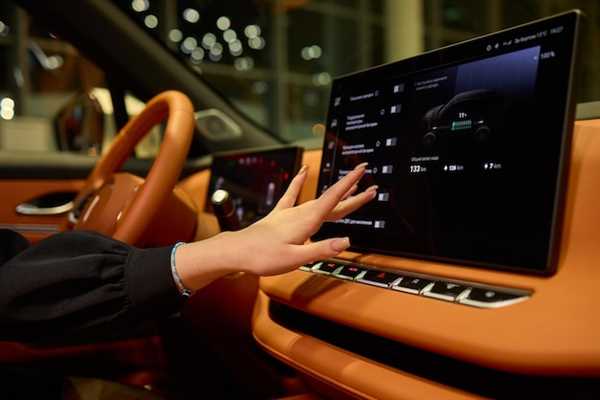
Focus on clarity; prioritize essential information to eliminate distractions. Use large, high-resolution displays that provide a streamlined user interface. Highlighting functions like navigation, speed, and fuel levels should be straightforward.
Incorporate touch-sensitive controls and voice commands, ensuring a seamless interaction. Haptic feedback enhances user experience by offering tactile responses to inputs.
Employ a monochromatic color scheme or soft contrasting tones to maintain a clean aesthetic. This reduces visual clutter and allows for easy interpretation of data.
Integrate customizable elements, enabling users to arrange information according to personal preferences. Widgets for weather, music, and vehicle diagnostics can be tailored for convenience.
Optimize layout for visibility and ergonomics. Place essential controls within easy reach to promote driver safety and enhance comfort during operation.
Leverage ambient lighting features that adjust according to the surrounding environment or user preferences. This enhances mood and improves usability in various conditions.
Utilize integration with mobile devices to streamline access to essential applications without overwhelming the interface. Connect seamlessly to smartphones for navigation and communication.
Impact of Minimalist Design on Driver Experience
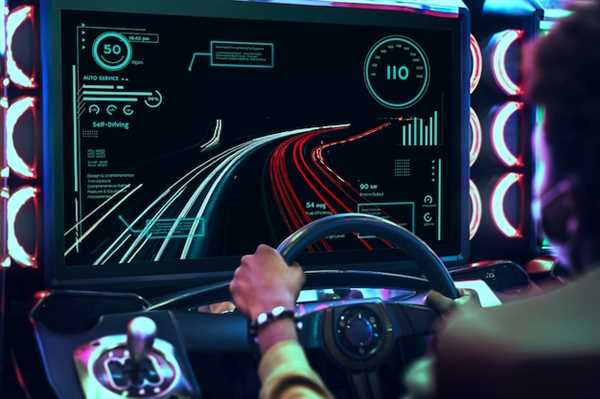
The integration of sleek interfaces enhances user interaction by prioritizing essential information. By minimizing visual clutter, drivers can focus on vital data, reducing cognitive load and increasing reaction times. Research indicates that a streamlined interface can lead to a 20% faster response to critical driving situations.
Employing simple color schemes and typography can significantly improve readability. For instance, high-contrast displays present necessary details more effectively, leading to better decision-making on the road. A study found that vehicles with user-friendly layouts experience up to 30% fewer distractions compared to those with complex designs.
Incorporating intuitive controls and voice commands fosters a seamless experience. This allows drivers to maintain attention on the road while accessing navigation or communication features, decreasing the likelihood of accidents attributed to manual adjustments. Feedback from users shows an increased satisfaction rating of 40% with interfaces that prioritize voice interaction.
The current inclination towards simplified aesthetics supports not just ease of use but also personalization. Customizable elements enable drivers to curate their own experience, aligning with their preferences. Such adaptive features have been shown to enhance user engagement and overall enjoyment during drives.
Future Trends in Car Dashboard Aesthetics and Functionality
The future of vehicle interfaces leans towards simplicity and user-centered design. Manufacturers will prioritize intuitive layouts that minimize distractions while enhancing user interaction. Touch-sensitive surfaces will replace physical buttons, allowing for a seamless experience. Expect adaptive interfaces that change based on user preferences or driving conditions.
Integration of augmented reality (AR) will become increasingly prevalent, projecting essential information onto the windshield, reducing the need for traditional instrumentation. This shift aligns with the growing trend towards a more immersive driving experience.
Environmentally sustainable materials will find their way into vehicle interiors, promoting eco-friendliness along with aesthetic appeal. Additionally, ambient lighting will facilitate a customizable environment, enabling users to adjust colors based on mood or preference.
Voice-activated controls will rise in importance, allowing drivers to stay focused on the road while accessing vehicle features. This trend towards hands-free operation enhances safety and convenience, aligning with contemporary lifestyle expectations.
As technology evolves, expect to see continuous updates and enhancements delivered through over-the-air software upgrades, keeping the interface current without the need for physical modifications.