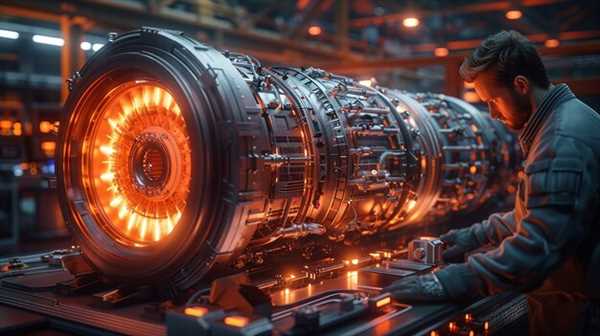
Prioritize optimizing combustion dynamics to elevate output metrics significantly. By enhancing the mixture flow and achieving precise timing, designers can ensure that the internal processes maximize energy conversion rates. Consider implementing advanced material technology to withstand higher pressure levels, allowing for a more robust output while minimizing weight.
Invest in variable valve timing systems to improve responsiveness across a broad range of operating conditions. This adjustment allows for more versatile performance, tailoring the operation to driving scenarios without compromising longevity. Noise reduction techniques must also be integrated to enhance user experience, aligning mechanical refinement with performance goals.
Utilize hybrid configurations that combine different power sources for flexibility in applications. These setups can address urban fuel consumption regulations while providing adequate torque when needed. Continuous feedback algorithms can further refine operational parameters, ensuring each component works synergistically towards peak performance and longevity.
Optimizing Combustion Processes for Maximum Power Output
Increase the air-fuel mixture’s turbulence in the combustion chamber to enhance mixing and promote complete oxidation of fuel. Implement direct fuel injection to minimize the risk of knocking and improve mixture preparation under varying operating conditions.
Incorporate variable valve timing to adjust valve lift and duration based on engine speed and load, allowing for better scavenging and reduced pumping losses. This approach improves the volumetric intake efficiency during critical phases of operation.
Use advanced combustion modeling tools for simulation and optimization, enabling precise adjustments to geometric features like piston crown shape and combustion bowl design. Tailor these features to encourage optimal flame propagation and energy release.
Consider using alternative fuels, which can have higher octane ratings and lead to cleaner combustion. Methanol or hydrogen can yield better thermal characteristics, allowing for higher compression ratios and improved thermal efficiency.
Implement lightweight materials in the construction of the combustion chamber and associated components to reduce inertial losses, thereby allowing for quicker throttle response and enhanced performance. This strategy also contributes to improved acceleration.
Utilize exhaust gas recirculation (EGR) techniques to lower combustion temperatures and minimize emissions. EGR not only reduces nitrogen oxide formation but also reintroduces some energy back into the cycle, aiding in the overall conversion efficiency of the process.
Regularly monitor cylinder pressures and temperatures to fine-tune timing and fuel delivery systems. Real-time adjustments based on feedback can lead to higher output and better thermal management within the combustion unit.
Optimize the ignition timing based on engine load conditions; early timing can enhance performance at low speeds, while retarded timing may be preferable at higher speeds to prevent detonation and ensure safe operation.
Integration of Advanced Materials to Enhance Thermal Performance
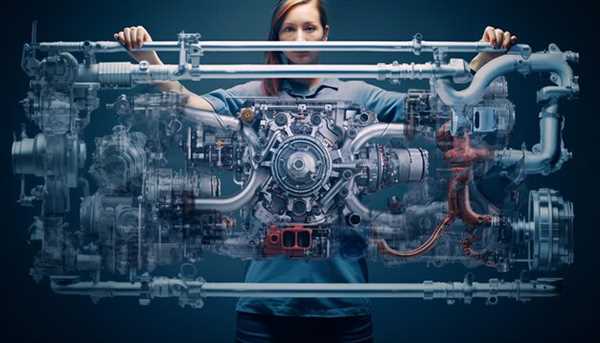
Utilize ceramic matrix composites (CMCs) to withstand higher temperatures while reducing weight. CMCs offer superior thermal resistance compared to traditional metals, allowing for improved heat management in high-performance applications.
Implement heat-resistant alloys such as Inconel for critical components. These materials provide exceptional corrosion resistance and thermal stability, extending the lifespan of parts exposed to harsh conditions.
Incorporate thermal barrier coatings (TBCs) made from zirconia to minimize heat transfer. TBCs protect substrates from extreme heat while maintaining structural integrity, contributing to better thermal efficiency.
Explore lightweight metals like titanium for structural elements to decrease weight without compromising strength. This leads to optimized performance and enhanced thermal handling under load.
Integrate phase-change materials (PCMs) into thermal management systems to absorb excess heat. These substances can regulate temperature spikes, ensuring components operate within safe thermal limits.
Utilize advanced composites reinforced with carbon nanotubes for superior thermal conductivity. This will improve heat dissipation, promoting stability during operation.
Consider using polymer matrix composites in non-structural areas to reduce weight and enhance thermal insulation. This can lead to a more efficient heat management system.
Utilizing Hybrid Technologies for Improved Energy Conversion
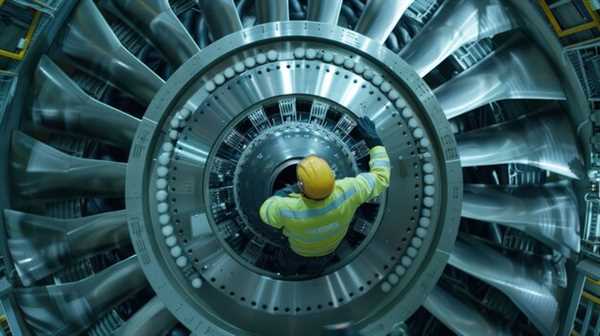
Implement dual power sources to maximize output while minimizing resource consumption. For example, a combination of electric motors with internal combustion units creates a versatile system that can adjust its performance based on load requirements.
Integrate regenerative braking, enabling the capture of energy during deceleration phases. This reclaimed energy can recharge batteries or power auxiliary systems, enhancing overall utility.
Focus on lightweight materials to reduce bulk, thereby improving the response of the vehicle during acceleration and reducing energy consumption in the process. Advanced composites and alloys are excellent for achieving this goal.
Optimize battery technologies, such as lithium-ion and solid-state options, to enhance charging rates and lifespan. This development allows for quicker energy delivery and reduces the downtime for charging.
Implement smart energy management systems that prioritize power distribution based on real-time data. These systems can reduce wastage and ensure that each component operates within its optimal range.
Incorporate dual-mode powertrains that allow vehicles to operate in either only-electric or hybrid mode. This flexibility can improve energy utilization under varying conditions, providing tailored responses to driver input and environmental factors.
Regularly update software algorithms controlling traction, throttle response, and energy recovery systems. Continuous improvements can lead to significant enhancements in performance and resource usage.
Conduct thorough simulations before any physical implementation to predict how various designs perform under different scenarios, ensuring that the most effective solutions are deployed.
Adopt modular design principles, allowing for the easy replacement of obsolete components with upgraded technologies, ensuring sustained improvement in functionality.