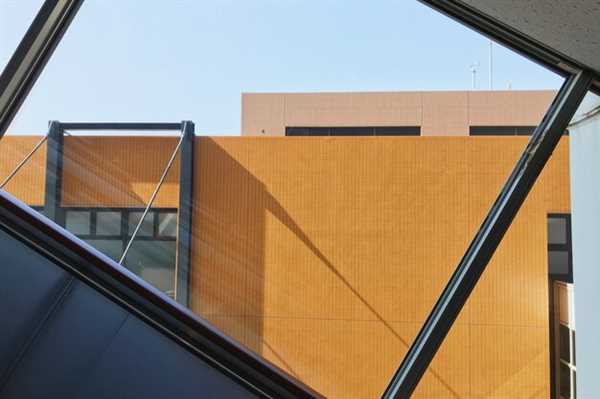
For businesses and homeowners alike, enhancing curb appeal should be a top priority. Research indicates that attractive facades play a significant role in shaping people’s opinions within seconds. Consider integrating elements such as texture, color, and symmetry to elevate aesthetic appeal and create a lasting positive effect.
Statistics reveal that properties with well-thought-out outer appearances can increase their market value by up to 20%. In markets with high competition, such details become essential for standing out. Invest in high-quality materials and clever layouts to evoke strong emotional responses from passersby.
It’s advisable to focus on the balance of form and function. Incorporating landscaping features, appropriate lighting, and harmonious color schemes can enhance visual attractiveness. Aim for consistency in style that aligns with the surroundings to create a cohesive experience. Banishing clutter and ensuring maintenance can significantly enrich aesthetic allure and convey professionalism.
Color Schemes: How They Influence Perceptions
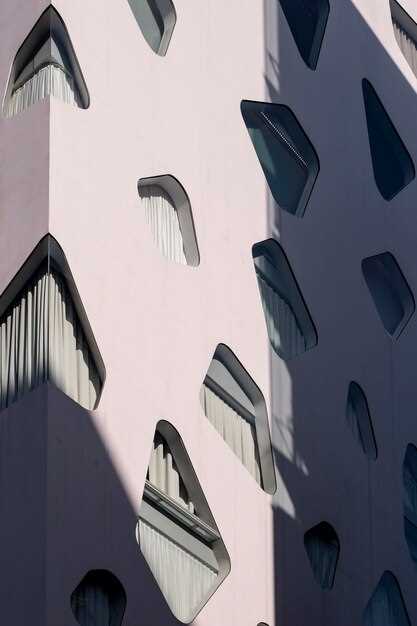
Choose colors wisely: Warm shades like reds and oranges evoke energy and excitement, while cool hues, such as blues and greens, promote calmness and tranquility. Each color’s psychological effect can leave lasting impressions.
Utilize complementary colors to create a striking contrast, attracting attention and enhancing visibility. For instance, a bright yellow against a dark background can stimulate curiosity and engagement.
Maintain harmony: Monochromatic schemes, which use variations of a single color, can instill feelings of unity and sophistication. Consider incorporating different textures or materials to maintain interest while adhering to a cohesive palette.
Incorporate natural tones, such as earthy greens and browns, to resonate with eco-conscious individuals. Such choices reflect sustainability, potentially drawing in a demographic that values environmental responsibility.
Test your choices: Before finalizing your color decisions, conduct surveys or focus groups to gather feedback on how people perceive the chosen palette. This approach ensures alignment with intended messaging and audience expectations.
Regular updates to your palette can rejuvenate and refresh perceptions, preventing stagnation. Seasons may dictate changes, with warmer tones in summer and cooler shades in winter, subtly guiding mood shifts.
Architectural Styles: Selecting the Right One for Your Audience
Choose a style that aligns with the values and preferences of your target demographic. For a modern, innovative audience, opt for sleek, minimalist forms, utilizing materials like glass and steel.
Conversely, traditional clients may resonate with classic styles such as Tudor or Colonial, characterized by brick, wood, and symmetrical designs. These evoke familiarity and trust.
Consider the surrounding environment; a coastal location might benefit from a beachy aesthetic, incorporating elements like wide verandas and natural hues. Urban settings often require a more contemporary approach, featuring bold lines and mixed materials.
Assess cultural influences as well. Mediterranean styles can appeal to areas with similar climatic conditions, invoking comfort through stucco walls and terracotta roofs.
Provide variety; mix styles subtly for diverse audiences, enhancing appeal without losing coherence. A fusion of contemporary and traditional can create intrigue, attracting a broader spectrum.
Ultimately, making informed choices regarding architectural styles fosters stronger connections with viewers, ensuring your structure communicates the desired message effectively.
Landscaping Elements: Enhancing Exterior Appeal
Incorporate native plants to create an authentic connection with the local environment. These species require less maintenance and promote biodiversity, enhancing visual impact.
Utilize strategic lighting to highlight pathways and architectural features, improving safety and aesthetic charm during nighttime. Warm, inviting tones serve to create an atmosphere conducive to positive evaluations.
Add decorative stones and mulch for texture and variation, drawing the eye towards focal points while reducing weed growth. This method provides a polished look that supports well-organized greenery.
Consider the installation of walkways crafted from natural materials. Such pathways guide visitors comfortably while complementing surrounding flora. Thoughtful composition contributes significantly to aesthetic quality.
Integrate water elements like fountains or ponds, which attract wildlife and create a soothing ambiance. Sound and sight of water can evoke feelings of tranquility, enhancing the overall experience.
Introduce vertical elements, such as trellises or garden walls, to maximize space and provide visual height. Climbing plants on these structures add depth, drawing attention and creating a layered effect.
Position seating areas that invite relaxation, allowing guests to enjoy the scenery. Choose comfortable furniture that aligns with the overall theme to create inviting spots for connection and reflection.
Regular maintenance is key; keep the environment tidy and well-groomed to sustain appeal. A neat presentation reinforces a positive perception and showcases investment in care and quality.