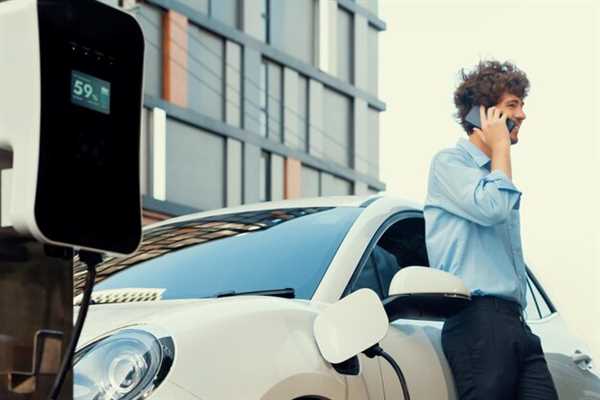
To enhance the transition to electrified mobility, stakeholders must focus on expanding charging infrastructure. Reliable access to charging stations significantly impacts consumer confidence in the decision to switch from conventional internal combustion engines. Data shows that regions with higher density of charging points experience greater interest in electrified transport options.
Additionally, addressing the affordability of these modern modes is essential. Incentives such as tax rebates or subsidies can lower the financial barrier for many potential users, making the switch more appealing. Research indicates that price sensitivity remains a prominent factor influencing buyer choices, and without competitive pricing, many might hesitate to make the leap.
Awareness campaigns can further enhance knowledge about the advantages of these innovative machines. Misconceptions about performance, range, and maintenance costs still prevail among the general public. Targeted educational efforts can reshape perceptions and increase the likelihood of consumers choosing these alternative machines over traditional ones. Greater outreach and informative resources are necessary to bridge the knowledge gap.
Limited Charging Infrastructure in Urban and Rural Areas
To increase the usage of battery-powered transportation, it’s critical to expand the charging network significantly. Urban centers should prioritize the installation of charging stations in parking lots, public spaces, and commercial areas, ensuring accessibility for drivers. Local governments can incentivize businesses to install charging points, creating a more interconnected system.
In rural locations, a different approach is necessary. Establishing fast-charging stations along highways linking small towns can enhance the appeal of these modes of transport. Collaborating with local governments to secure funding or grants can facilitate the rollout of charging solutions in remote areas.
Utilizing renewable energy sources like solar panels for charging stations can also attract eco-conscious consumers, promoting a positive public perception. Providing education about charging options and their benefits can stimulate interest and usage. Surveys in various regions must be conducted to assess the needs and preferences of the local population, enabling tailored solutions.
Regular maintenance and upgrades of the existing infrastructure are necessary to ensure reliability and safety. Establishing partnerships with tech companies can drive innovation in charging technologies, making them faster and user-friendly. The combined effort of communities, businesses, and governments can pave the way for a more robust charging system, ultimately increasing convenience for users.
High Upfront Costs and Economic Incentives for Consumers
To mitigate high initial expenses associated with battery-powered modes of transport, consumers should explore government subsidies and tax rebates. Many regions offer financial incentives, reducing the overall purchase price and making these alternatives more appealing.
In the United States, federal tax credits can reach up to $7,500, depending on the model and manufacturer. State incentives may further enhance savings. For instance, California provides rebates up to $2,000, while others may include exemptions from sales taxes.
Moreover, manufacturers are increasingly investing in technology to lower production costs. Emerging models with a lower price point are entering the market, helping to shift consumer perceptions about affordability. Researching different brands may reveal various options that meet budget considerations without sacrificing quality.
Moreover, considering ownership costs is crucial. Battery-powered alternatives often yield significant savings over time through lower fueling expenses and negligible maintenance requirements. Routine services are less frequent, translating to fewer trips to service centers and reduced long-term expenditures.
Individuals should stay informed about local programs promoting energy-efficient transport solutions that may offer additional financial benefits. Engaging with local dealerships can provide insights into exclusive offers or financing plans designed to ease the purchase burden.
Public Perception and Misconceptions About Electric Vehicles
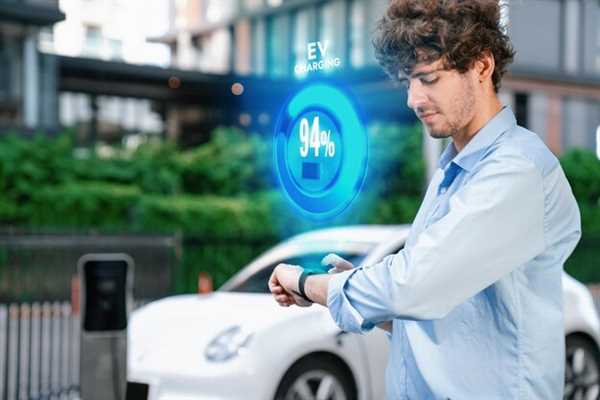
Address the common belief that electric models lack sufficient range. On average, modern options offer over 250 miles per charge, and numerous models provide more than 300 miles, which meets most daily travel needs.
Combat the misconception about charging infrastructure. Around 80% of owners charge at home, making public stations a supplemental resource rather than a primary need. The expanding network of fast chargers makes long-distance travel feasible without significant drawbacks.
Many consumers perceive a high cost as a barrier. While upfront prices may seem elevated, after factoring in tax incentives, fuel savings, and lower maintenance costs, the total cost of ownership can be competitive with traditional alternatives.
Address concerns over performance and reliability. Electric alternatives outperform conventional options in acceleration, with quieter operation and reduced mechanical wear due to fewer moving parts, leading to enhanced durability.
Increase awareness regarding environmental impacts. Electric modes can drastically reduce greenhouse gas emissions, particularly when charged from renewable sources. This understanding can influence consumer choices towards more sustainable options.
Provide clarity on battery life and recycling. Most batteries last 8-15 years and retain over 70% capacity by that time. Recycling initiatives are advancing, ensuring that resources are reused and not disposed of improperly.
Clarifying that electric options do not contribute to grid overload is essential. Smart charging technology helps balance energy demand during peak hours, preventing strain on power systems and promoting efficiency.