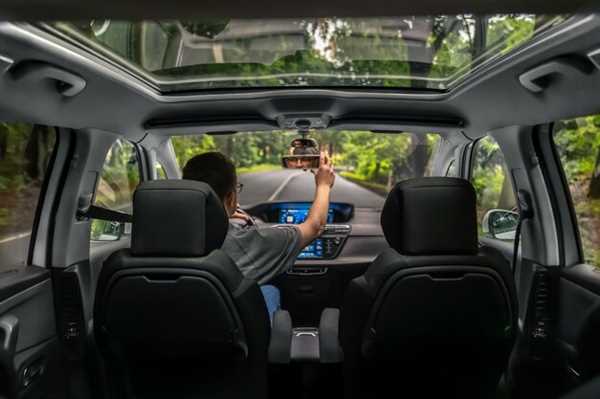
Implementing a minimalist approach in your surroundings can significantly increase focus while on the road. Opt for calming color palettes, such as soft blues and greens, which promote tranquility and mitigate distractions. This strategy is particularly effective in creating an ambiance that allows for sustained attention and enhances reaction time.
Integrating functional accessories can bolster mental clarity and reduce clutter. Organizers that are strategically positioned minimize visual chaos, allowing the individual to concentrate solely on navigation and driving tasks. Additionally, consider using dashboard mounts for navigation devices to keep essential information within the driver’s line of sight without diverting attention.
The layout of controls should prioritize accessibility and usability. Group frequently used features, ensuring that they are within easy reach, which streamlines interactions and maintains situational awareness. By thoughtfully arranging the cabin, distractions can be minimized, facilitating a more engaged and alert driving experience.
Optimizing Dashboard Layout for Minimal Distraction
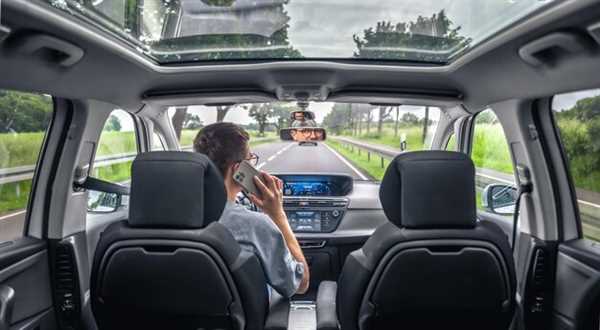
Prioritize essential information by clustering important gauges and controls within the driver’s direct line of sight. This arrangement reduces the time spent looking away from the road.
- Use a Simple Color Palette: Stick to neutral colors for non-critical elements while highlighting the most relevant data in contrasting shades to draw immediate attention.
- Group Related Functions: Keep similar controls in proximity to each other. For example, climate settings should be near infotainment controls to minimize physical movement.
- Analog vs Digital: Incorporate analog gauges for speed and RPM, as they often allow quicker interpretation compared to digital displays.
- Minimize Clutter: Eliminate unnecessary widgets or screens. A clean interface facilitates quick visual access without overwhelming the user.
- Adjustable Display: Implement screens that can be adjusted for brightness and angle, ensuring visibility in varying light conditions without distraction.
Regularly assess feedback from users to fine-tune the layout, ensuring that the most commonly accessed functions remain intuitive and straightforward.
Choosing Colors and Materials that Promote Focus
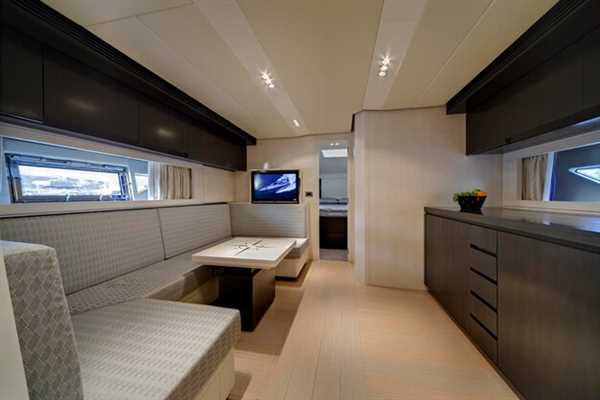
Opt for calming hues such as soft blues or greens in your layout to create a serene atmosphere that minimizes distractions. These colors are known to encourage mental clarity.
Utilize materials like matte finishes rather than glossy ones. Matte textures reflect less light, reducing glare and allowing for sustained visual focus.
Incorporate natural elements like wood or stone, as they can create a grounding effect, helping to maintain attention levels. Warm tones of wood can also evoke a sense of stability.
Light-colored walls can make a space feel more open and reduce feelings of confinement, which can enhance one’s ability to concentrate. Light shades also reflect natural light, boosting energy levels.
Consider using fabrics that are easy on the eyes, such as soft cotton or linen, to enhance comfort and reduce visual stress. This can contribute to longer periods of focus.
Introduce accents in bold colors sparingly. Strategic pops of color, such as yellow or orange, can stimulate creativity without overwhelming the senses.
Implementing Smart Technology to Aid Driver Attention
Integrate adaptive lighting systems to enhance visual clarity and help maintain alertness. Adjustable ambient lighting can shift according to time of day, providing a soothing environment that prevents fatigue.
Utilize heads-up displays (HUDs) to provide crucial information without requiring the gaze to leave the road. This approach maintains focus on surroundings while delivering navigation and speed data directly within the line of sight.
Incorporate advanced monitoring systems that assess the driver’s attentiveness through facial recognition and adjust the cabin’s layout or alert mechanisms accordingly. These systems can prompt the driver to take breaks or use relaxation techniques when signs of distraction are detected.
Smart seat technology can offer customizable support and positioning to enhance comfort, reducing strain during long trips. Features such as massage functions can further keep the mind engaged and reduce fatigue.
Implement noise-cancellation technology in combination with sound therapy options to minimize distractions. Calming audio can aid relaxation while maintaining an engaging driving environment.
Integrate smartphone applications that monitor driving behavior and provide feedback on attentiveness and safety. These tools can create a more aware driving experience by promoting conscious habits and reflection on performance.
Employ artificial intelligence algorithms to provide real-time traffic updates and alternative routes, reducing cognitive load. By streamlining navigation processes, drivers can maintain their focus on the task at hand.
Incorporate vehicle-to-everything (V2X) communications to keep drivers informed about surrounding threats and road conditions. This proactive information exchange fosters awareness and readiness, enhancing safety on the road.
Consider utilizing haptic feedback systems in seating or steering wheels to alert drivers to critical situations. Subtle vibrations can draw attention without creating panic, ensuring a calm response to potential hazards.