Incorporating breakthrough designs into vehicle development can significantly enhance market appeal and efficiency. Innovative prototypes serve as a testing ground for new technologies, often showcasing advanced features that attract consumer interest. Manufacturers should closely analyze these pre-production vehicles to provide insight into future market trends and consumer preferences.
Using visionary prototypes, companies can experiment with alternative powertrains, autonomous systems, and connectivity solutions. For instance, electric propulsion and autonomous drive capabilities highlighted in recent models have shifted consumer expectations and prompted traditional manufacturers to reevaluate their production strategies. Investing in such forward-thinking innovations positions firms to lead rather than follow in a competitive environment.
Engagement with these forward-looking designs can refine production techniques and materials used, leading to more sustainable practices. Embracing lightweight materials and eco-friendly manufacturing processes, as demonstrated in prototype showcases, sets a precedent for incorporating these strategies into standard production lines, positively impacting both cost and efficiency. Continuous evaluation of experimental designs is vital for maintaining relevance in an evolving market.
Understanding the Role of Concept Cars in Innovation and Design Processes
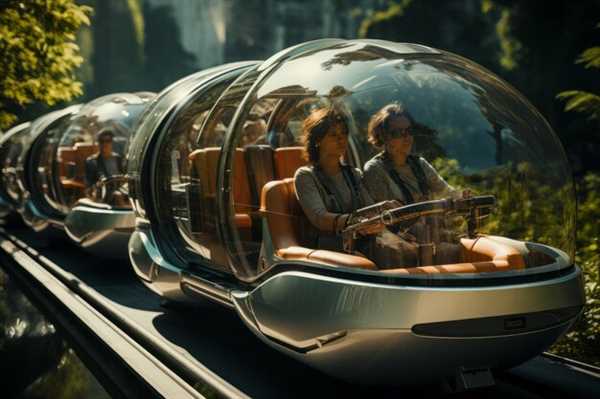
Utilizing prototypes plays a pivotal role in the development of advanced models. These prototypes serve as a platform to test innovative features, materials, and technologies before mass production. By allowing designers and engineers to experiment with unconventional ideas, manufacturers can identify viable solutions for real-world applications.
Prototypes also provide valuable insights into customer preferences. Conducting focus groups and feedback sessions centered around these models helps manufacturers gauge public reaction, guiding them in refining aesthetic and functional aspects. This iterative process elevates the end product to better align with market expectations.
Moreover, prototypes act as showcases for advanced propulsion systems and eco-friendly technologies. By demonstrating alternative energy sources and efficient designs, these models stimulate industry conversations around sustainability and environmental responsibility. This, in turn, influences regulatory developments and consumer behavior, encouraging a shift towards greener options.
Collaboration between designers and engineers is critical during the prototype phase. Regular interactions ensure that creative visions translate effectively into feasible designs. This synergy between artistic expression and technical capability often leads to groundbreaking advancements in vehicle design.
Through strategic exhibitions and auto shows, prototypes generate buzz and excitement, enhancing brand visibility. They can serve as marketing tools that attract attention from potential buyers, investors, and media outlets, positioning manufacturers favorably within the competitive arena.
In summary, leveraging prototypes significantly impacts the innovation trajectory in the automotive sector. Continuous experimentation, consumer engagement, sustainability focus, and collaborative efforts collectively shape the next generation of vehicles, ensuring relevance and appeal in a dynamic market.
Evaluation of Consumer Feedback on Concept Cars for Future Model Development

Analyzing consumer insights on prototypes can significantly influence the design and functionality of upcoming vehicle types. Collecting data through surveys, focus groups, and social media interactions offers manufacturers a clear perspective on consumer desires and expectations. Key areas to focus on include technological advancements, sustainability features, and design aesthetics.
Emphasizing user experience, manufacturers should prioritize feedback related to vehicle interfaces and driving comfort. Incorporating smart dashboards and intuitive controls strengthens consumer engagement. Addressing aesthetic preferences, such as exterior design and interior materials, can align new releases with market trends.
Establishing a feedback loop where consumers can share their experiences with mock-ups fosters trust and loyalty. Iterative testing of design elements allows for real-time adjustments, ensuring that new variants resonate with target audiences. Monitoring industry trends and competitor offerings also aids in refining features that consumers seek.
Moreover, focusing on environmental concerns is becoming increasingly relevant. Increased interest in electric and hybrid technologies signals a shift in consumer priorities towards eco-friendliness. Incorporating these aspects into the development of next-generation vehicles can create a competitive edge.
Utilizing data analytics tools to interpret consumer sentiment efficiently enhances the ability to predict future demands. Aligning these insights with production timelines and resource allocation will streamline the transition from prototypes to market-ready products.
Impact of Concept Cars on Sustainability and Technological Advancements in Production
Integrating advanced technologies into vehicle models is critical for promoting sustainability. Electric drivetrains utilized in prototypes signal a transition away from fossil fuels, cutting emissions significantly. Manufacturers are encouraged to adopt these technologies early, testing battery efficiencies and alternative energy sources during the prototype phase.
Utilizing lightweight materials decreases energy consumption during manufacturing and enhances vehicle efficiency. Innovations such as carbon fiber and aluminum alloys are increasingly being implemented. This not only reduces carbon footprints but also influences mass production strategies, prioritizing materials that promote recyclability and circular economy principles.
Autonomous and connected technologies showcased in initial designs facilitate better resource management. Smart systems optimize production lines, monitor energy use, and track waste, driving a leaner process that aligns with eco-friendly practices. Stakeholders should invest in these intelligent solutions to align with future consumer expectations for sustainability.
Collaboration between designers and engineers in the conceptual phase accelerates the adoption of green technologies, enabling faster scaling to market-ready models. Strong partnerships across sectors can lead to shared insights and resources, which ultimately pushes the boundaries of innovation toward environmentally responsible outcomes.
Incorporating consumer feedback during the early design stages is vital. Understanding market needs ensures that sustainable features resonate with end-users, driving wider acceptance of eco-friendly practices. Feedback loops established through prototype testing are essential in refining models and promoting sustainable choices.