To ensure maximum longevity of your vehicle’s propulsion system, prioritize the maintenance of its thermal management components. A well-functioning cooling mechanism is critical in dissipating excess heat generated during operation. Regularly check coolant levels, replace worn hoses, and ensure the radiator is free from debris.
Monitor temperatures closely; an engine running at elevated temperatures can lead to catastrophic failures. Utilize temperature gauges to observe any anomalies, and consider upgrading to aftermarket cooling solutions that can provide enhanced performance under demanding conditions.
Implementing high-quality coolant can also significantly contribute to the durability of your powerplant. Look for formulas that include additives designed to prevent corrosion and promote efficient heat transfer. By keeping thermal levels regulated, you will reduce wear on components and improve overall reliability.
How Cooling System Design Influences Heat Dissipation in Engines
Optimal layout enhances thermal management, facilitating improved heat transfer. Incorporating sufficient fluid flow rates ensures rapid heat exchange, thus preventing hotspots. Utilize materials with high thermal conductivity, such as aluminum and copper, to enhance dissipation efficiency.
Design elements like radiator size and placement greatly affect airflow; larger, strategically located radiators boost cooling performance. Integrating thermostats allows for precise temperature regulation, promoting stability in operational conditions.
Maintaining appropriate coolant levels and choosing suitable coolants are critical; these factors directly influence thermal regulation and performance longevity. Employing advanced technologies, such as variable speed pumps, can further adapt cooling rates to varying demands, optimizing thermal balance.
Incorporating baffles and ducting can channel airflow effectively, minimizing turbulence and maximizing heat removal. Monitoring systems that track temperature variances help identify potential issues before they escalate.
Ultimately, meticulous design and regular maintenance lead to superior thermal management, extending operational reliability and performance of machinery.
The Role of Coolant Types and Maintenance in Engine Durability
Choose the right antifreeze to significantly enhance operational lifespan. Ethylene glycol and propylene glycol are common options; however, their chemical properties affect performance under varied conditions. Ethylene glycol boasts superior heat transfer capabilities, while propylene glycol offers a safer alternative for environments with potential human exposure.
Regularly inspect coolant concentration and pH levels to prevent corrosion and scaling. A blend with a balance between water and antifreeze ensures optimum thermal management, with a recommended ratio of 50:50 for most climates. Utilizing a higher concentration may inhibit freezing in extreme conditions but might hinder heat dissipation efficiency.
Conduct maintenance at least every two years. Flush the cooling system to eliminate debris and contaminants that can accumulate over time, reducing heat exchange efficiency. Check hoses and connections for leaks or wear, as these can lead to significant fluid loss and overheating.
Invest in a coolant that contains additives to inhibit corrosion and fouling. These additives create a protective barrier on metal surfaces, which is crucial for components like the radiator and water pump. Regular checks for particulate matter in the fluid can indicate wear, necessitating timely replacement.
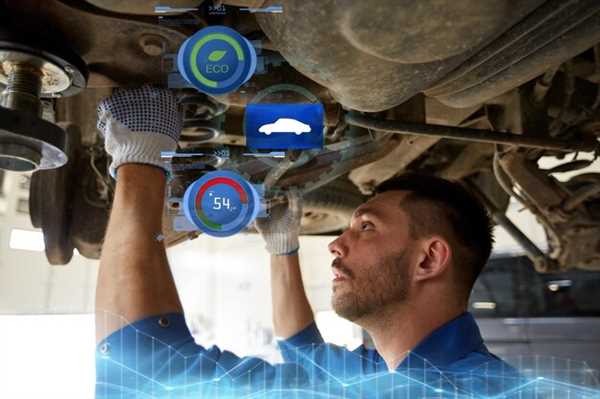
Monitoring engine temperature through the diagnostics panel is also essential. Anomalies can signal fluid issues or blockages that need addressing immediately. Overheating can cause severe damage, so being proactive ensures that the longevity of the powertrain is not compromised.
Common Cooling System Failures and Their Effects on Engine Performance
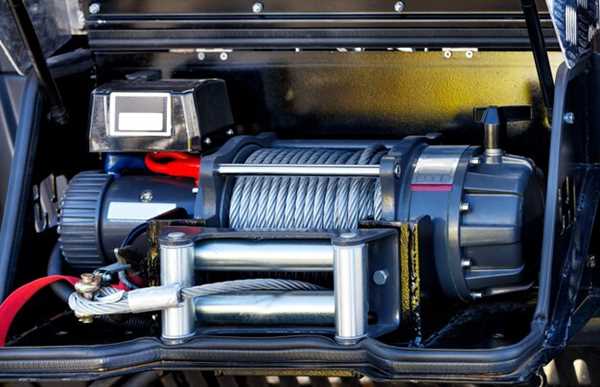
Regular inspection of coolant levels is vital; insufficient fluid can lead to severe overheating and component damage.
Corrosion in radiators and hoses may cause leaks, leading to reduced temperature regulation and increased wear. Replace any corroded parts immediately.
A malfunctioning thermostat can result in improper temperature management, causing the motor to either overheat or operate inefficiently. Periodic checks of the thermostat’s operation will ensure proper functionality.
Clogged passages within the radiator can restrict coolant flow, leading to hot spots and potential failure. Routine flushing of the cooling medium is recommended to maintain unobstructed flow.
Failure of the water pump can halt the circulation process, leading to rapid temperature increases. Regular inspection of pump operation will extend the life of adjacent components.
Faulty electric fans may not activate in time to cool the liquid, exacerbating overheating. Ensure that the fan switch and motor function properly for reliable operation.
Inadequate sealing in hoses and connections can cause leaks, reducing the effectiveness of the entire assembly. Inspect and replace worn seals to maintain pressure and prevent fluid loss.
Monitoring these critical elements will enhance performance and longevity, avoiding costly repairs and maintaining optimal function over time.