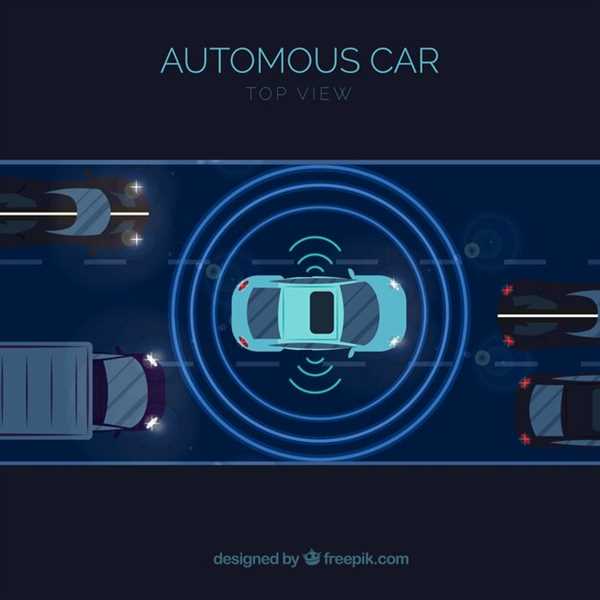
To advance the quest for self-driving technology, focus on enhancing sensor accuracy and developing robust artificial intelligence systems. Investing in high-resolution LiDAR and advanced computer vision will yield crucial improvements in vehicle perception, allowing for safer and more reliable operation on public roads.
Next, prioritize regulatory collaboration. Engaging with government agencies to establish clear guidelines will support the integration of autonomous driving into existing traffic systems. Proactive dialogue with lawmakers can help streamline approval processes and establish safety benchmarks that encourage innovation while ensuring public confidence.
Data collection and analysis play a pivotal role. Autonomous systems must be trained using diverse datasets encompassing various driving conditions, weather patterns, and human behaviors. Engaging in extensive simulations and real-world testing will allow developers to refine algorithms and adjust to unpredictable scenarios, which are commonplace in everyday driving.
Lastly, consider public perception and education. Building trust among consumers through transparency about the technology’s capabilities and limitations is essential. Launch comprehensive outreach programs to inform the public about safety measures, operational protocols, and the benefits of embracing self-driving solutions.
Technological Milestones in Autonomous Driving Development
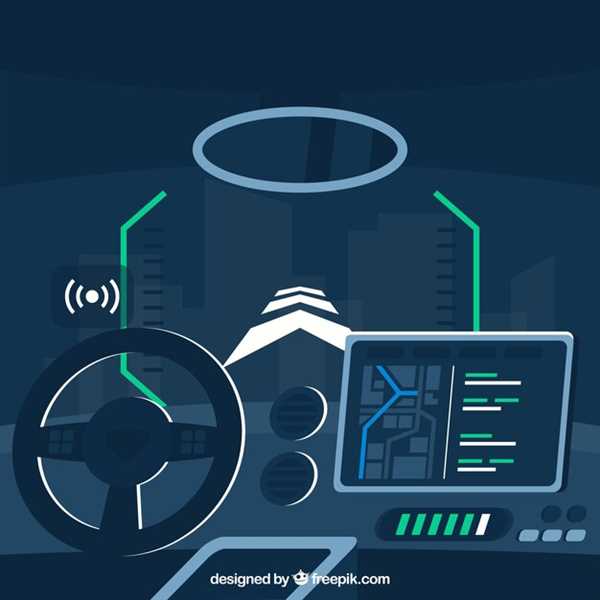
Focus on specialized sensors, including LiDAR, radar, and cameras, which have significantly advanced perception capabilities. Continuous improvements in these technologies have been critical for real-time object detection and classification.
Invest in robust algorithms for machine learning and artificial intelligence. These systems enable vehicles to learn from vast datasets, improving decision-making processes and driving behaviors in complex environments.
Enhance vehicle-to-everything (V2X) communication technologies. This integration allows vehicles to interact with infrastructure, other cars, and pedestrians, significantly boosting safety and navigation precision.
Prioritize the development of high-definition mapping systems. These maps provide detailed information about road conditions, traffic signals, and potential hazards, offering a necessary framework for safe autonomous navigation.
- 2016: Major advancements in perception technologies demonstrated by leading manufacturers.
- 2018: Successful autonomous ride-sharing pilots initiated in urban environments.
- 2020: Initial regulatory frameworks established, enabling testing of advanced systems on public roads.
- 2022: Enhanced AI models show improved adaptability in unpredictable traffic situations.
- 2023: Collaboration between tech companies and automotive manufacturers leads to integrated systems for semi-autonomous capabilities.
Engage in collaborative testing and data sharing among key industry players to address the regulatory and safety challenges associated with these advanced systems.
Maintaining public trust is essential; transparency regarding safety features, testing results, and response to incidents will foster acceptance and adoption.
Regulatory Challenges and Policy Timelines for Self-Driving Cars
Establish standardized regulations by 2025 to streamline testing of automated driving systems on public roads. By this year, implement clear guidelines for liability in accidents involving self-operating cars.
Mandate comprehensive safety assessments, including third-party evaluations, to ensure that manufacturers meet rigorous performance standards. Encourage pilot programs in urban environments to facilitate real-world data collection on traffic interactions.
Formulate legislation addressing insurance frameworks specific to vehicles driven by AI. In parallel, define protocols for software updates and cybersecurity measures to mitigate risks associated with hacking and system failures.
By 2030, aim to have national interoperability standards that allow cross-state operation of self-driving vehicles. Collaborate with international bodies to harmonize regulations across borders, fostering a more unified approach to automated transport.
Regular stakeholder consultations, including city planners, technology developers, and community representatives, will be necessary to align public acceptance with technological advancement. Prioritize equity in access to new technologies to benefit all demographic groups.
Encourage local jurisdictions to test unique traffic management strategies that accommodate autonomous vehicles while safely integrating them into existing transportation systems. Use findings to refine national policy frameworks.
Set clear milestones for tracking advancements in safety, efficiency, and user experience as these innovations progress towards mainstream adoption. Monitor and adjust policies based on real-time feedback and evolving technological capabilities.
Public Acceptance and Infrastructure Readiness: Key Dates Ahead
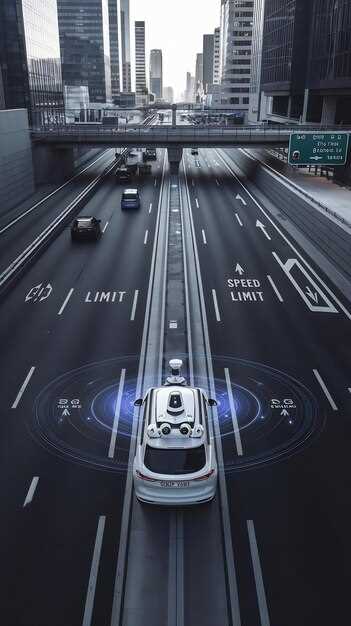
2025: Prioritize large-scale pilot programs in urban centers to assess public sentiment and driving behavior around self-operating systems. Engagement campaigns should focus on real-world experiences to build trust.
2028: Aim for significant legislative changes that allow new transportation models to coexist with traditional ones. This includes regulations supporting mixed traffic environments, ensuring legacy vehicles and modern apparatus can share roadways safely.
2030: Expect major milestones in infrastructure adaptation, such as dedicated lanes for self-driving units. This can encourage smoother interactions between human drivers and technological solutions while providing necessary safety mechanisms.
2032: Anticipate broad public familiarity with self-driving options, driven by successful case studies and user testimonials. Invest in educational initiatives to mitigate skepticism and promote informed discussions on road safety.
2035: Push for full integration of smart traffic systems that interact seamlessly with autonomous units. Infrastructure enhancements should include vehicle-to-infrastructure communication capabilities to optimize routing and minimize accidents.
Raising public awareness alongside adapting frameworks is key to facilitating acceptance and successful implementation of advanced driving solutions. Prioritize these milestones to draw closer to a future of safe, self-navigating transport methods.