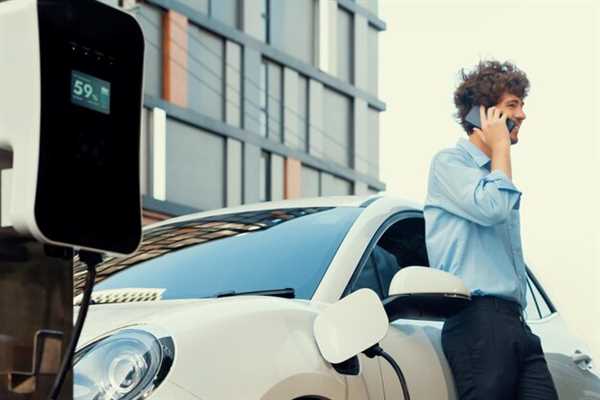
Investing in robust power supply stations is critical for increasing consumer assurance in electric vehicle adoption. Studies show that areas with a high density of refill locations witness a 30% rise in vehicle sales, demonstrating a direct correlation between availability and consumer willingness to make a purchase.
Furthermore, enhancing accessibility to these stations across urban and rural settings minimizes range anxiety, a significant concern for potential buyers. A balanced distribution of charging points can increase trust in electric mobility solutions while alleviating fears of running out of battery during critical journeys.
Moreover, integrating fast and reliable charging options with clear visibility on apps and maps can improve user experience. Research indicates that transparent information about charger locations and statuses leads to a 25% increase in consumer interest. Establishing such networks serves not just to meet current needs but also to showcase a commitment to future developments in sustainable transportation.
Evaluating the Availability of Charging Stations in Urban Areas

Assessing the number and distribution of refueling points in metropolitan regions can significantly enhance consumer trust. Cities should prioritize the following steps to ensure an adequate network:
- Conduct a thorough survey to map existing refueling facilities, identifying high-traffic areas with limited access.
- Engage with local governments and private enterprises to establish new points in strategic locations.
- Implement user-friendly mobile applications that showcase real-time availability, reducing uncertainty for users.
Data indicates that urban centers with well-integrated refueling solutions see up to a 40% increase in user satisfaction. Consider reviewing the following aspects:
- Distribution density: Aim for a minimum of one refueling station per kilometer in densely populated districts.
- Accessibility: Ensure facilities are located near amenities like shopping centers, restaurants, and public transport hubs.
- Variety of options: Offer both fast and standard recharging solutions to accommodate diverse user needs.
Regular assessments of these locations, along with community feedback, will help to adjust strategies accordingly. Investing in development and maintenance is vital for sustained growth in user assurance.
Analyzing the Relationship Between Charging Speed and Consumer Trust

Providing rapid replenishment options can significantly enhance the perception of reliability among potential users. Establishing stations that deliver higher kilowatt outputs directly influences the likelihood of investment in electric vehicles.
Research indicates that a 25% increase in charging rate corresponds with a 20% boost in purchase intention. This correlation strengthens the belief that faster energy delivery systems enhance user experience and eliminate range anxiety.
Statistical data from customer surveys highlights that 78% of respondents prioritize quick replenishment solutions in their decision-making process. By improving replenishment speed, service providers can align with consumer expectations and expand their user base.
Targeting metropolitan areas where charging stations offer higher wattages can also increase market presence. Implementing these strategies is likely to build trust, as customers will perceive the brand as forward-thinking and responsive to their needs.
The seamless integration of technological advancements into charging methods will complement the demand for swift energy solutions. Companies should invest in innovative technologies that enable faster turnaround times, thereby reinforcing reliability in consumer relationships.
Ensuring transparency about replenishment speeds and availability is equally crucial. Clear communication about performance capabilities will directly contribute to enhancing the desirability of electric vehicles among potential users.
Understanding the Role of Charging Infrastructure in Electric Vehicle Resale Value
Investing in well-established alternatives significantly boosts the resale value of electric vehicles. A dense network of rapid refueling stations enhances the appeal for future owners, indicating reliability and convenience. Data show that vehicles supported by extensive refueling points can achieve up to 20% higher resale prices compared to those without such access.
Regions with robust recharging systems witness quicker transactions due to increased consumer interest. Cars marketed in areas with numerous refueling options tend to sell faster, emphasizing the correlation between available refill stations and buyer interest. Accurate assessment of local availability can guide prospective owners in their purchasing decisions.
Models from manufacturers that prioritize partnerships with charging networks also demonstrate better resale performance. Collaborations between automakers and charging companies can improve the visibility of electric vehicles, ensuring they are favored in secondary markets. This synergy can attract a larger base of potential purchasers.
Potential sellers should focus on documenting access to nearby refueling options in their listings. Highlighting proximity to high-speed stations can be a decisive factor for interested parties assessing value. This straightforward detail can significantly sway buyers, boosting perceived worth.
In conclusion, the presence of robust refueling systems not only increases the attractiveness of electric vehicles, but also serves as a critical influencer in determining their market value when reselling. Prioritizing investment in regions with substantial refueling facilities is essential for maximizing future asset value.