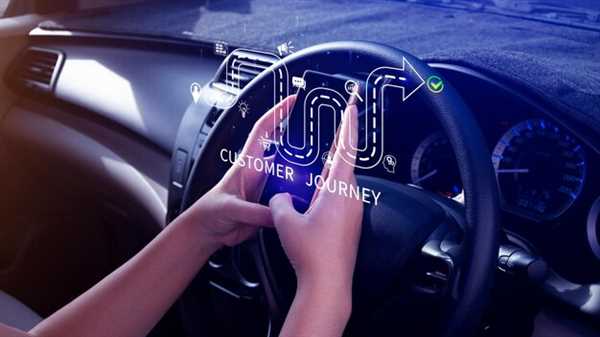
Integrating advanced technology into a vehicle significantly transforms control and comfort for drivers. Utilizing robust data from sophisticated systems, drivers can effortlessly monitor environmental conditions, allowing for quick adjustments while on the road. This adaptability not only promotes smoother handling but also increases safety levels, creating a more enjoyable ride.
Equipping vehicles with cutting-edge technologies elevates situational awareness. Features such as automatic lane-keeping assist and adaptive cruise control analyze real-time data, providing seamless integration between human and machine. This results in a stress-free environment, enabling drivers to focus on their surroundings without unnecessary distractions.
Smart devices within cars offer personalized insights related to driving habits and preferences. These tools analyze historical data, contributing to more informed decisions regarding fuel efficiency and maintenance needs. By leveraging this information, drivers can optimize their routines, ensuring a seamless connection to their vehicle.
Improving Safety with Advanced Obstacle Detection Systems
Integrate high-resolution cameras and LIDAR technology in your automobile to significantly elevate safety standards. These tools provide real-time data, identifying obstacles within the vehicle’s vicinity and ensuring timely alerts to the driver. For instance, a system that utilizes both LIDAR and camera data can distinguish between static and moving objects, which allows for better decision-making in critical situations.
Deploy radar systems that operate in various weather conditions, offering reliable performance regardless of visibility. By using multiple sensor types, vehicles can accurately gauge distances and speeds of nearby objects, enhancing overall reaction times. Implementing these advanced technologies can reduce accident risk and improve operational efficiency in urban environments.
Consider equipping your vehicle with machine learning algorithms that analyze sensor data, enabling predictive analytics for imminent obstacles. This layer of intelligence will not only assist in immediate threat detection but also adapt over time, leading to continual improvements in safety protocols tailored to individual driving patterns.
Invest in obstacle detection systems with multi-angle sensing capabilities. A system that offers 360-degree awareness maximizes protection against unforeseen hazards, especially in tight spaces or during low-speed maneuvers. Combining all these features ensures an unparalleled level of security and boosts driver confidence.
Enhancing Comfort through Adaptive Climate Control Sensors

Integrating sophisticated climate control systems can significantly improve cabin comfort for occupants. These advanced mechanisms utilize environmental data to adjust temperature and airflow automatically, ensuring an enjoyable atmosphere throughout any trip.
Data-driven adjustments based on internal and external conditions optimize HVAC settings, responding to factors like sunlight intensity and passenger presence. Such responsiveness not only increases comfort but also promotes energy efficiency, benefiting vehicle performance.
Regular maintenance of these systems enhances their accuracy and longevity. Ensuring that all components, including temperature sensors, are regularly checked can prevent disruptions and maintain a stable environment inside.
Drivers can personalize settings through intuitive interfaces, adjusting preferences effortlessly. The ability to precondition the interior before entering the vehicle serves as a luxury feature, delivering instant comfort during those first moments on the road.
Investing in vehicles equipped with cutting-edge climate management technology ensures a pleasurable commute, where comfort is seamlessly integrated with driving dynamics, allowing for a more satisfying ride every time.
Optimizing Fuel Efficiency via Real-Time Driving Analytics

Implement acceleration and braking strategies based on data from onboard analytics to maximize fuel savings. Smooth acceleration and gradual deceleration can lead to significant reductions in fuel consumption. Aim to maintain a constant speed without frequent stops.
Utilize real-time feedback regarding optimal gear shifting. Changing gears promptly according to engine performance indicators ensures that fuel is used more effectively, preventing unnecessary strain on the engine.
Monitor road conditions and traffic patterns through connected systems, adjusting driving behavior accordingly. Predictive algorithms can suggest alternate routes that minimize idling or stop-and-go traffic, reducing fuel waste.
Engage adaptive cruise control features that adjust speed based on real-time data. This helps maintain optimal fuel levels by reducing unnecessary acceleration and braking.
Review analytics reports regularly to identify patterns in fuel consumption. Understanding driving habits allows for adjustments that concretely impact fuel efficiency over time.
Maintain tire pressure and vehicle maintenance diligently. Real-time alerts can provide insights on tire health, ensuring they are neither underinflated nor overinflated, both of which can hamper fuel economy.